

Our Living
Library
For books that move our spirits,
inspire collective action,
and illuminate the deep relationships
between art, ecology, and movement building.


-
In 2008, as the storms of the financial crash blew, Isabelle Fremeaux and Jay Jordan deserted the metropolis and their academic jobs, traveling across Europe in search of post-capitalist utopias. They wanted their art activism to no longer be uprooted.
They arrived at a place French politicians had declared lost to the republic, otherwise know as the zad (the zone to defend): a messy but extraordinary canvas of commoning, illegally occupying 4,000 acres of wetlands where an international airport was planned. In 2018, the 40-year-long struggle snatched an incredible victory, defeating the airport expansion project through a powerful cocktail that merged creation and resistance.
Fremeaux and Jordan blend rich eyewitness accounts with theory, inspired by a diverse array of approaches, from neo-animism to revolutionary biology, insurrectionary writings and radical art history.
~Published w Pluto Press in collaboration with the Journal of Aesthetics & Protest. (PDF)
-
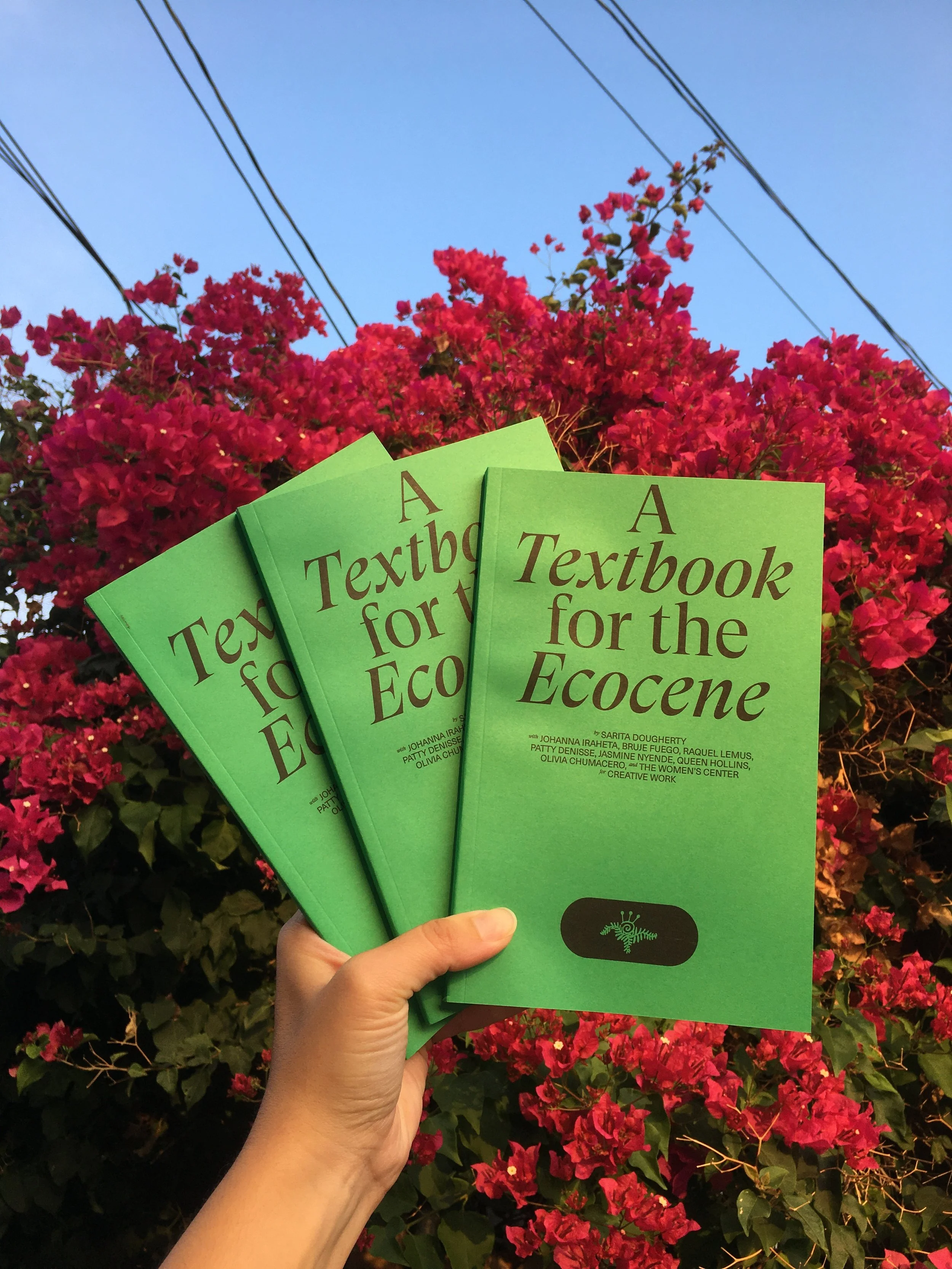
A Textbook for the Ecocene is a how-to guide for connecting to self, community and planet.
The Ecocene is an emergent and imagined geologic era where all humyns are living in reciprocity with their ecosystems again. Each textbook chapter shares practical exercises to try at home, Earth-centered theory and spirituality, and interviews with Black and Indigenous Earth warriors—cultural workers generating planetary liberation in their everyday lives.
These testimonios shine with wisdom and advice for new and seasoned Earth stewards alike. Created originally as Sarita Dougherty's DIY PhD Dissertation, A Textbook for the Ecocene is a curricula for eco-feminista educations, DIY degrees and planetary destinies. We are activating the Ecocene right now, one step at a time. What we pay attention to grows.~
Self-published by Co—Conspirator Press with the support of Feminist Center for Creative Work. Edited by Simone Krug, copy edited by Gowri Chandra and Demi Corso. Designed by MJ Balvanera, Riso-printed by Neko Natalia. (PDF Download)

-
What is the difference between hearing and listening? Does sound have consciousness? Can you imagine listening beyond the edge of your own imagination?
In response to the anti-war movements of the 1960s, pioneering musician and composer Pauline Oliveros began to expand the way she made music, experimenting with meditation, movement and activism in her compositions. Fascinated by the role that sound and consciousness play in our daily lives, Oliveros developed a series of Sonic Meditations that would eventually lead to the creation of Deep Listening – a practice for healing and transformation open to all, rooted in her musicianship.
Quantum Listening is a manifesto for listening as activism. Through simple yet profound exercises, Oliveros shows how Deep Listening is the foundation for a radically transformed social matrix: one in which compassion and peace form the basis for our actions in the world.
~
From Ignota

-
As a botanist, Robin Wall Kimmerer has been trained to ask questions of nature with the tools of science. As a member of the Citizen Potawatomi Nation, she embraces the notion that plants and animals are our oldest teachers. In Braiding Sweetgrass, Kimmerer brings these two lenses of knowledge together to take us on “a journey that is every bit as mythic as it is scientific, as sacred as it is historical, as clever as it is wise.”
Drawing on her life as an indigenous scientist, a mother, and a woman, Kimmerer shows how other living beings—asters and goldenrod, strawberries and squash, salamanders, algae, and sweetgrass—offer us gifts and lessons, even if we’ve forgotten how to hear their voices.
In a rich braid of reflections that range from the creation of Turtle Island to the forces that threaten its flourishing today, she circles toward a central argument: that the awakening of a wider ecological consciousness requires the acknowledgment and celebration of our reciprocal relationship with the rest of the living world. For only when we can hear the languages of other beings will we be capable of understanding the generosity of the earth, and learn to give our own gifts in return.

-
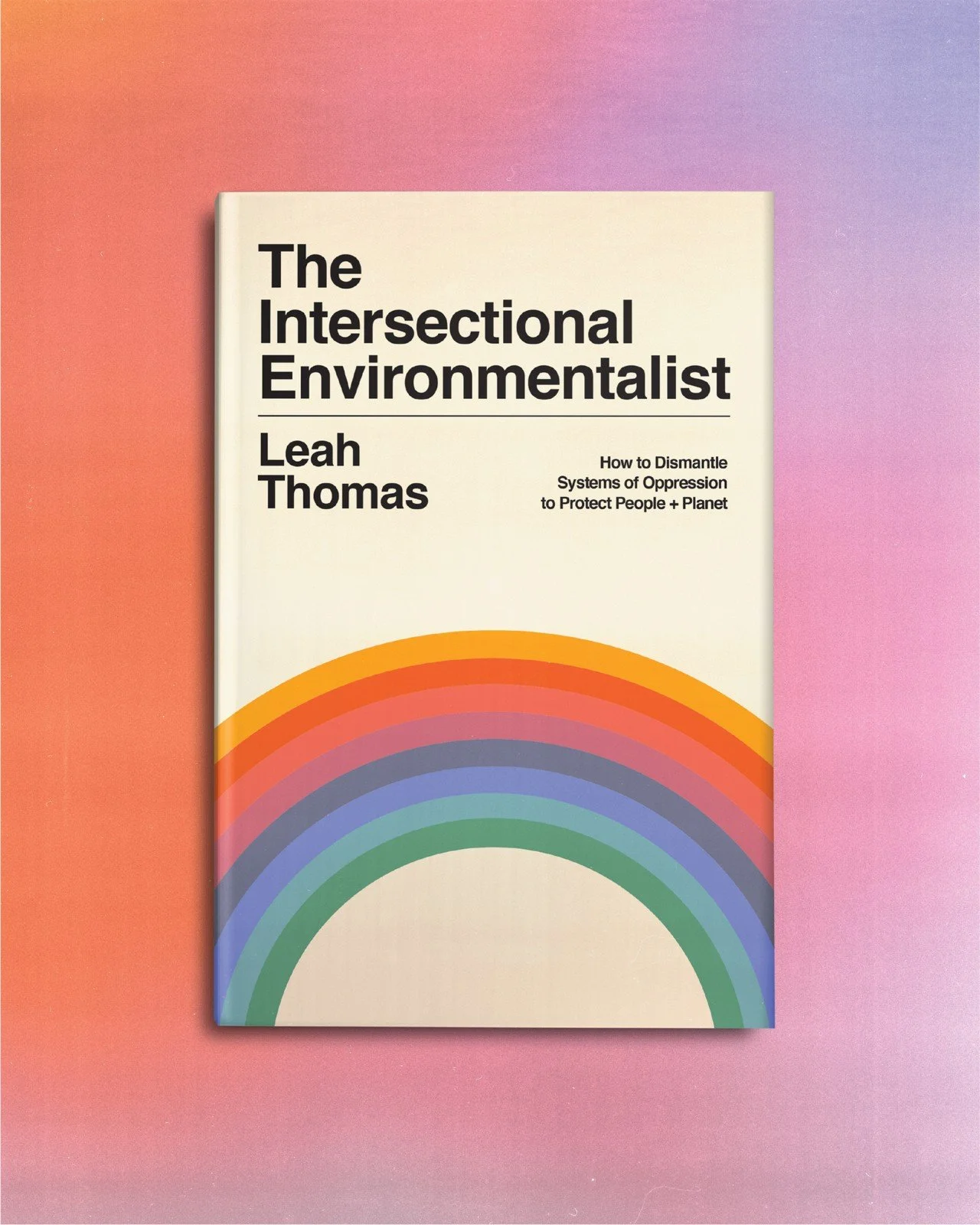
The Intersectional Environmentalist examines the inextricable link between environmentalism, racism, and privilege, and promotes awareness of the fundamental truth that we cannot save the planet without uplifting the voices of its people -- especially those most often unheard. Written by Leah Thomas, a prominent voice in the field and the activist who coined the term "Intersectional Environmentalism," this book is simultaneously a call to action, a guide to instigating change for all, and a pledge to work towards the empowerment of all people and the betterment of the planet.
Published by Voracious
Purchase from Reparations Club

-
What is the role of revolutionary art in times of distress?
When Emory Douglas, former Minister of Culture of the Black Panther Party, accepted an invitation from the art collective EDELO and the Rigo 23 to meet with autonomous and Indigenous and Zapatista communities in Chiapas, Mexico, they addressed just this question. Zapantera Negra is the result of their encounter. It unites the bold aesthetics, revolutionary dreams, and dignified declarations of two leading movements that redefine emancipatory politics in the twentieth and twenty-first century.
AK Press
-
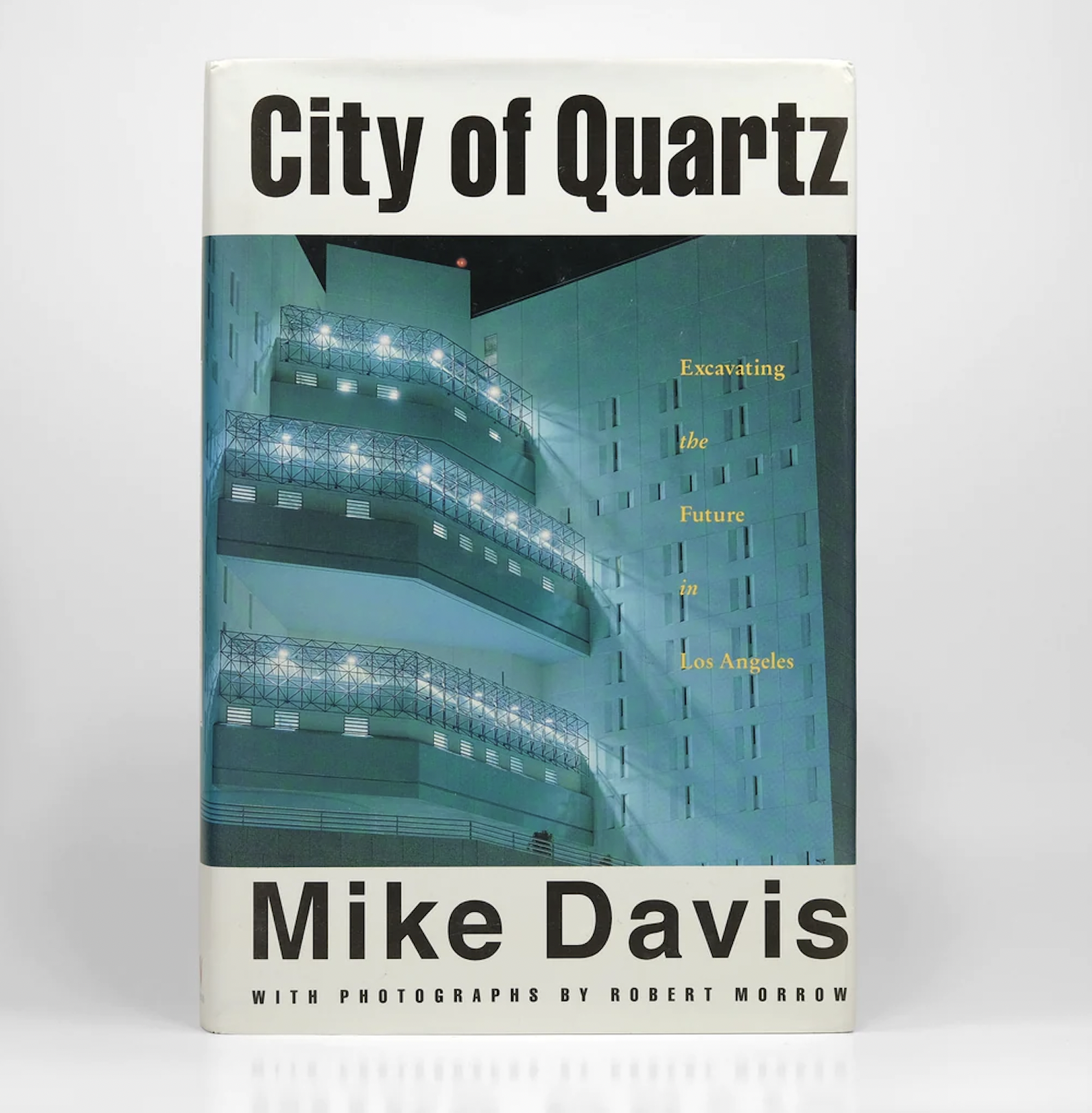
No metropolis has been more loved or more hated. To its official boosters, "Los Angeles brings it all together." To detractors, LA is a sunlit mortuary where "you can rot without feeling it." To Mike Davis, the author of this fiercely elegant and wide-ranging work of social history, Los Angeles is both utopia and dystopia, a place where the last Joshua trees are being plowed under to make room for model communities in the desert, where the rich have hired their own police to fend off street gangs, as well as armed Beirut militias.
In City of Quartz, Davis reconstructs LA's shadow history and dissects its ethereal economy. He tells us who has the power and how they hold on to it. He gives us a city of Dickensian extremes, Pynchonesque conspiracies, and a desperation straight out of Nathaniel West - a city in which we may glimpse our own future mirrored with terrifying clarity.
~
Verso

-
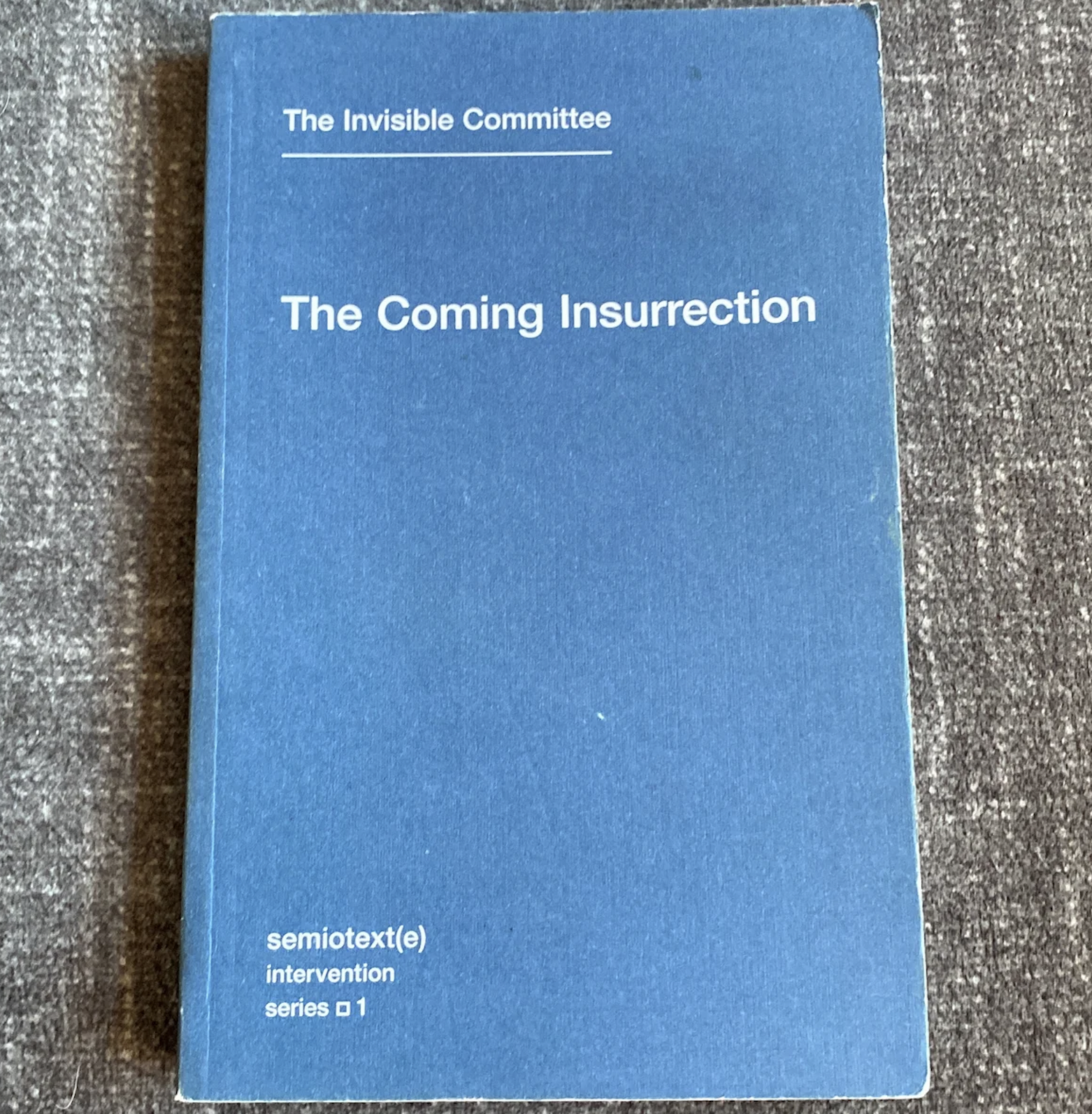
Written by the anonymous Invisible Committee in the vein of Guy Debord—and with comparable elegance—it has been proclaimed a manual for terrorism by the French government (who recently arrested its alleged authors). One of its members more adequately described the group as “the name given to a collective voice bent on denouncing contemporary cynicism and reality.”
The Coming Insurrection is a strategic prescription for an emergent war-machine capable of “spreading anarchy and live communism.” Written in the wake of the riots that erupted throughout the Paris suburbs in the fall of 2005 and presaging more recent riots and general strikes in France and Greece, The Coming Insurrection articulates a rejection of the official Left and its reformist agenda, aligning itself instead with the younger, wilder forms of resistance that have emerged in Europe around recent struggles against immigration control and the “war on terror.”
Hot-wired to the movement of '77 in Italy, its preferred historical reference point, The Coming Insurrection formulates an ethics that takes as its starting point theft, sabotage, the refusal to work, and the elaboration of collective, self-organized life forms. It is a philosophical statement that addresses the growing number of those—in France, in the United States, and elsewhere—who refuse the idea that theory, politics, and life are separate realms.
~
MIT Press
-
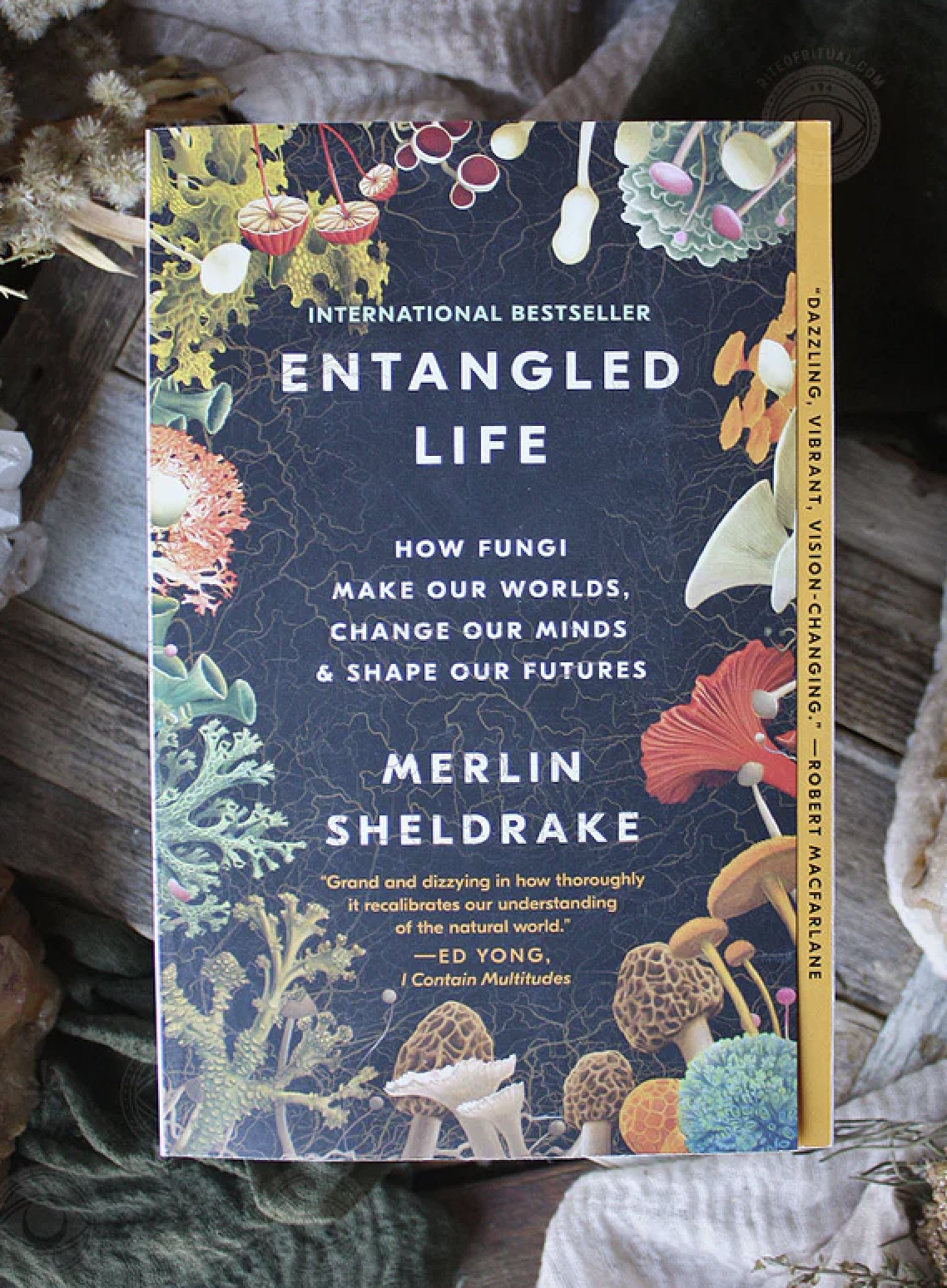
When we think of fungi, we likely think of mushrooms. But mushrooms are only fruiting bodies, analogous to apples on a tree. Most fungi live out of sight, yet make up a massively diverse kingdom of organisms that supports and sustains nearly all living systems. Fungi provide a key to understanding the planet on which we live, and the ways we think, feel, and behave.
In the first edition of this mind-bending book, Sheldrake introduced us to this mysterious but massively diverse kingdom of life. This exquisitely designed volume, abridged from the original, features more than one hundred full-color images that bring the spectacular variety, strangeness, and beauty of fungi to life as never before.
Fungi throw our concepts of individuality and even intelligence into question. They are metabolic masters, earth makers, and key players in most of life’s processes. They can change our minds, heal our bodies, and even help us remediate environmental disaster. By examining fungi on their own terms, Sheldrake reveals how these extraordinary organisms—and our relationships with them—are changing our understanding of how life works.
~
Penguin Random House

-
Matsutake is the most valuable mushroom in the world—and a weed that grows in human-disturbed forests across the northern hemisphere. Through its ability to nurture trees, matsutake helps forests to grow in daunting places. It is also an edible delicacy in Japan, where it sometimes commands astronomical prices. In all its contradictions, matsutake offers insights into areas far beyond just mushrooms and addresses a crucial question: what manages to live in the ruins we have made?
A tale of diversity within our damaged landscapes, The Mushroom at the End of the World follows one of the strangest commodity chains of our times to explore the unexpected corners of capitalism. Here, we witness the varied and peculiar worlds of matsutake commerce: the worlds of Japanese gourmets, capitalist traders, Hmong jungle fighters, industrial forests, Yi Chinese goat herders, Finnish nature guides, and more. These companions also lead us into fungal ecologies and forest histories to better understand the promise of cohabitation in a time of massive human destruction.
By investigating one of the world’s most sought-after fungi, The Mushroom at the End of the World presents an original examination into the relation between capitalist destruction and collaborative survival within multispecies landscapes, the prerequisite for continuing life on earth.
~
Princeton University Press

-
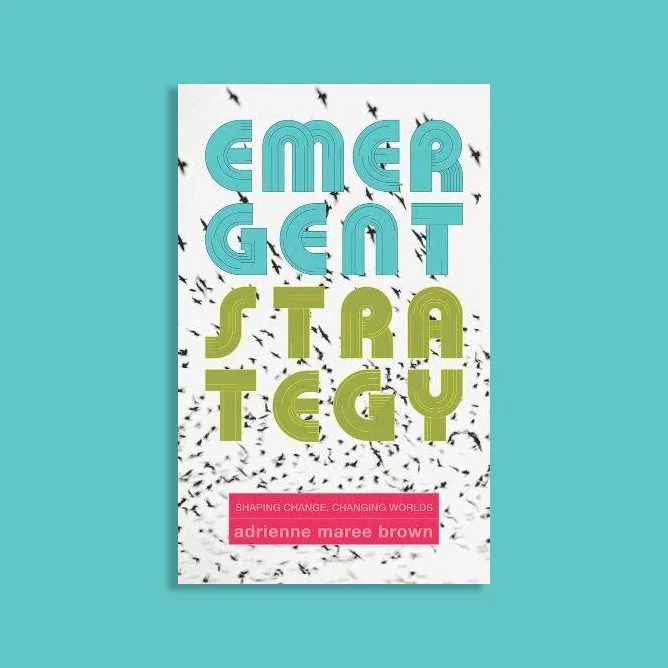
Self-help, society-help, and planet-help to shape the futures we want. A resolutely materialist spirituality based equally on science and science fiction: a wild feminist and afro-futurist ride!
Inspired by Octavia Butler's explorations of our human relationship to change, Emergent Strategy is radical self-help, society-help, and planet-help designed to shape the futures we want to live. Change is constant. The world is in a continual state of flux. It is a stream of ever-mutating, emergent patterns. Rather than steel ourselves against such change, this book invites us to feel, map, assess, and learn from the swirling patterns around us in order to better understand and influence them as they happen. This is a resolutely materialist “spirituality” based equally on science and science fiction, a visionary incantation to transform that which ultimately transforms us.
~
AK Press

-
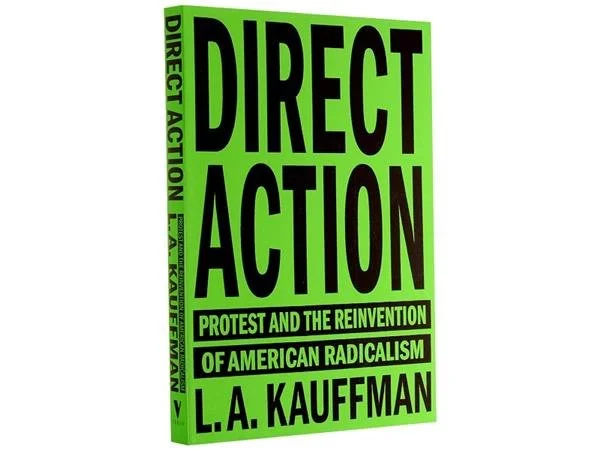
A vibrant, groundbreaking history of American radicalism since the Sixties
What happened to the American left after the Sixties? This engrossing account traces the evolution of disruptive protest over the last 40 years to tell a larger story about the reshaping of American radicalism, showing how the direct-action blockades, occupations, and campaigns of recent activist movements have functioned as laboratories for political experimentation and renewal.
Propelled by more than 100 candid interviews conducted over a span of decades, this elegant and lively history showcases the voices of key players in an array of movements – environmentalist, anti-nuclear, anti-apartheid, feminist, LGBTQ, anti-globalization, racial-justice, anti-war, and more – across an era when American politics shifted to the right, and issue- and identity-based organizing eclipsed the traditional ideologies of the left.
As Kauffman, a longtime movement insider, examines how groups from ACT UP to Occupy Wall Street to Black Lives Matter have used direct action to catalyze change against long odds, she details the profound influence of feminism and queerness on radical political practice and how enduring divisions of race have shaped the landscape of activism. Written with nuance and humor, and revealing deep connections between movements usually viewed in isolation, Direct Action is essential reading for anyone interested in understanding how protest movements erupt -- and how they can succeed.
~
Verso
-
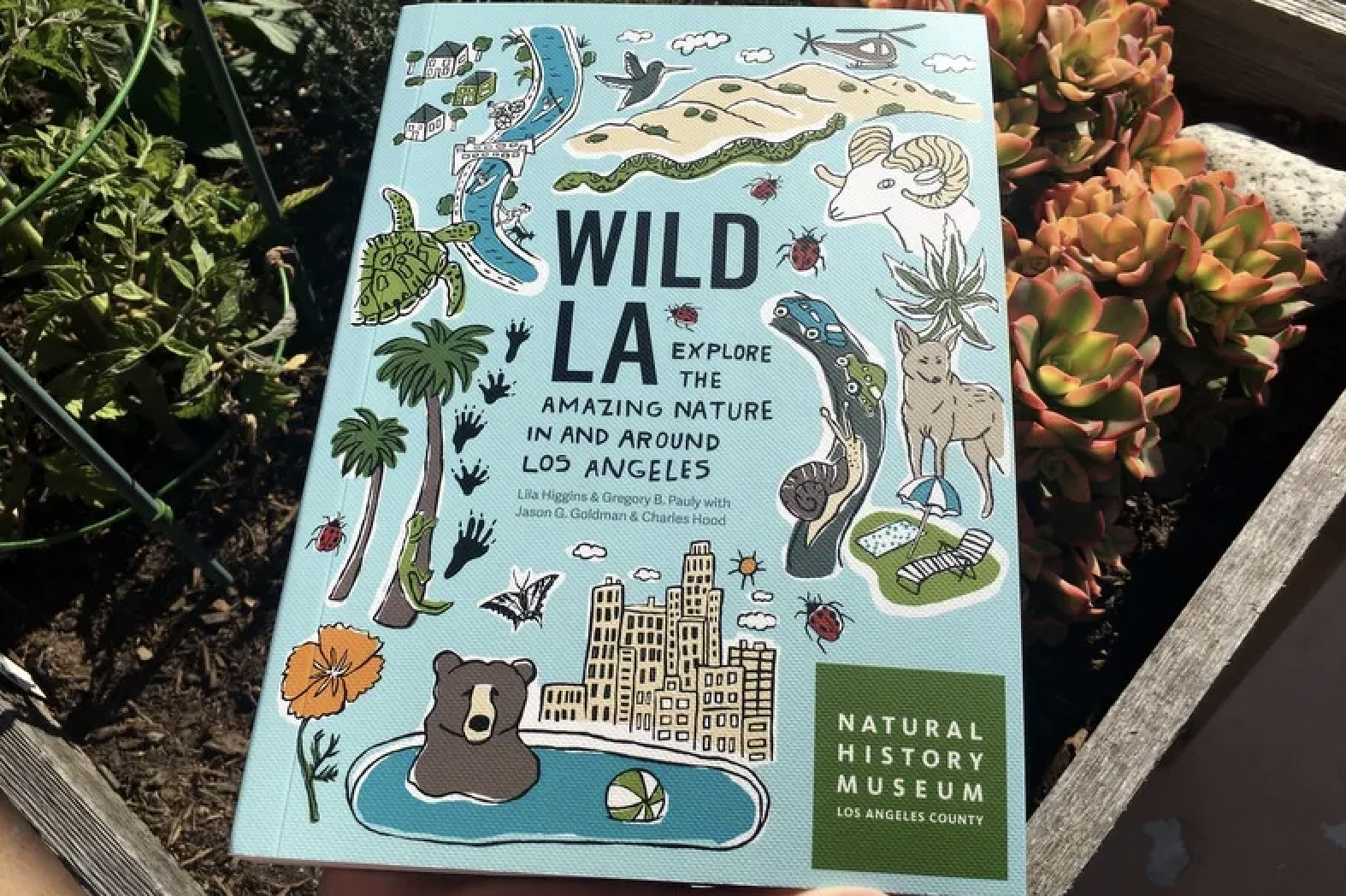
L.A. may have a reputation as a concrete jungle, but it’s actually incredibly biodiverse, full of an amazing array of wildlife. You just need to know where to find it, how to look for it, and the stories behind it!
Wild L.A. is part natural history, field guide, and trip planner. You’ll learn about the factors shaping local nature—including floods, fire, and climate—and see what we think is amazing about over one hundred easy-to-spot species, from sea turtles to rare plants to Hollywood's famous mountain lion, P-22. We also have created hikes you can take, which uncover natural wonders you can experience on hiking trails, but also in public parks and outside spots in your neighborhood.~
Naural History Museum
-
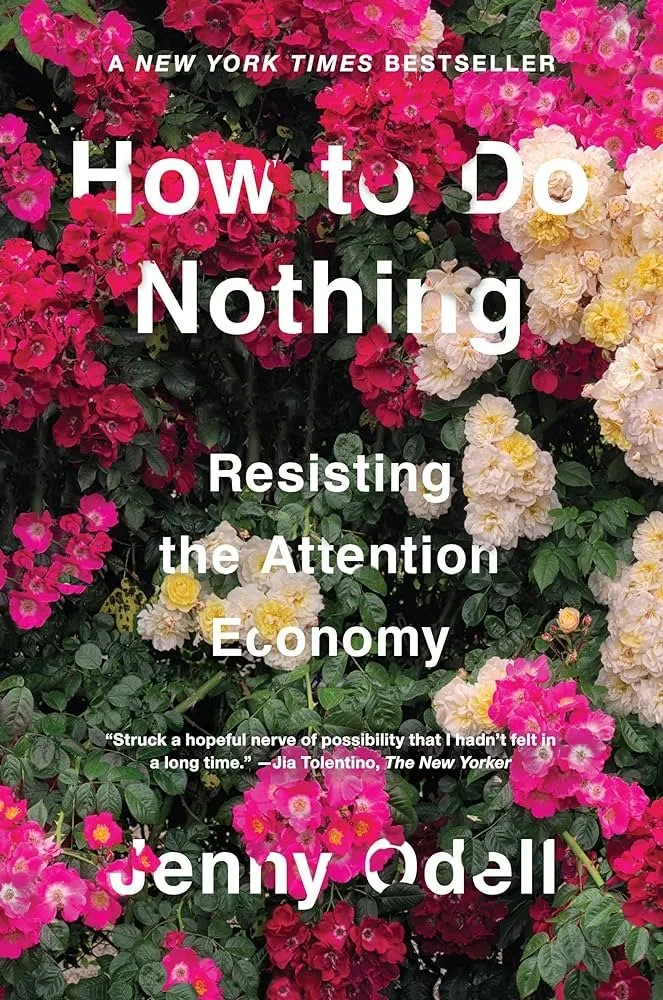
In a world where addictive technology is designed to buy and sell our attention, and our value is determined by our 24/7 data productivity, it can seem impossible to escape. But in this inspiring field guide to dropping out of the attention economy, artist and critic Jenny Odell shows us how we can still win back our lives.
Odell sees our attention as the most precious—and overdrawn—resource we have. And we must actively and continuously choose how we use it. We might not spend it on things that capitalism has deemed important … but once we can start paying a new kind of attention, she writes, we can undertake bolder forms of political action, reimagine humankind’s role in the environment, and arrive at more meaningful understandings of happiness and progress.
Far from the simple anti-technology screed, or the back-to-nature meditation we read so often, How to do Nothing is an action plan for thinking outside of capitalist narratives of efficiency and techno-determinism. Provocative, timely, and utterly persuasive, this book will change how you see your place in our world.

-
Deep Listening is a practice created by composer Pauline Oliveros in order to enhance her own as well as other's listening skills. She teaches this practice worldwide in workshops, retreats and in her ground breaking Deep Listening classes at Rensselaer Polytechnic Institute and Mills College. Deep Listening practice is accessible to anyone with an interest in listening. Undergraduates with no musical training benefit from the practices and successfully engage in creative sound projects. Many report life changing effects from participating in the Deep Listening classes and retreats.


-
The soundscape--a term coined by the author--is our sonic environment, the ever-present array of noises with which we all live. Beginning with the primordial sounds of nature, we have experienced an ever-increasing complexity of our sonic surroundings. As civilization develops, new noises rise up around us: from the creaking wheel, the clang of the blacksmith’s hammer, and the distant chugging of steam trains to the “sound imperialism” of airports, city streets, and factories. The author contends that we now suffer from an overabundance of acoustic information and a proportionate diminishing of our ability to hear the nuances and subtleties of sound. Our task, he maintains, is to listen, analyze, and make distinctions.
As a society we have become more aware of the toxic wastes that can enter our bodies through the air we breathe and the water we drink. In fact, the pollution of our sonic environment is no less real. Schafer emphasizes the importance of discerning the sounds that enrich and feed us and using them to create healthier environments. To this end, he explains how to classify sounds, appreciating their beauty or ugliness, and provides exercises and “soundwalks” to help us become more discriminating and sensitive to the sounds around us. This book is a pioneering exploration of our acoustic environment, past and present, and an attempt to imagine what it might become in the future.
~
Desiny Books
-
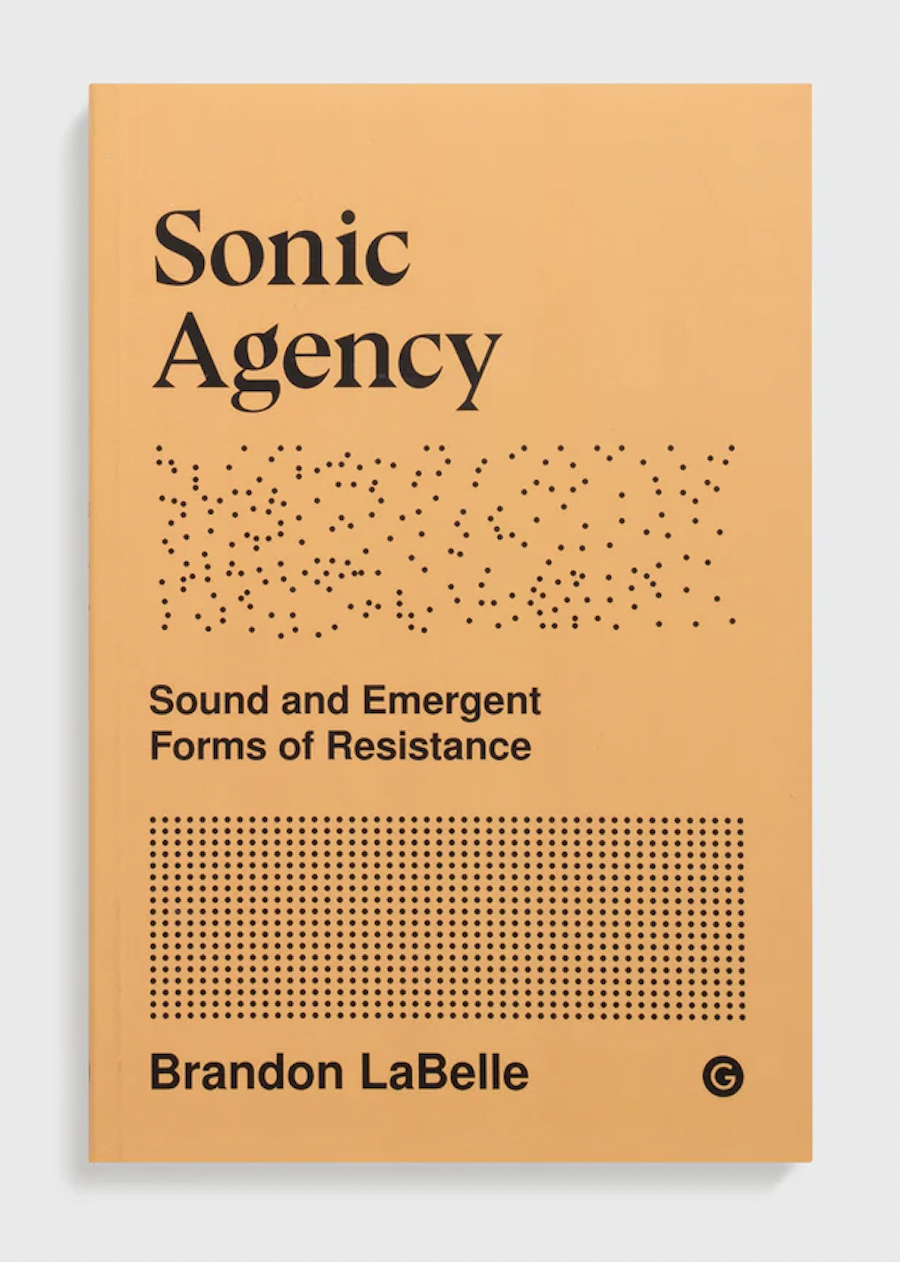
In a world dominated by the visual, could contemporary resistances be auditory? This timely and important book from Goldsmiths Press highlights sound's invisible, disruptive, and affective qualities and asks whether the unseen nature of sound can support a political transformation. In Sonic Agency, Brandon LaBelle sets out to engage contemporary social and political crises by way of sonic thought and imagination. He divides sound's functions into four figures of resistance—the invisible, the overheard, the itinerant, and the weak—and argues for their role in creating alternative “unlikely publics” in which to foster mutuality and dissent. He highlights existing sonic cultures and social initiatives that utilize or deploy sound and listening to address conflict, and points to their work as models for a wider movement. He considers issues of disappearance and hidden culture, nonviolence and noise, creole poetics, and networked life, aiming to unsettle traditional notions of the “space of appearance” as the condition for political action and survival.
By examining the experience of listening and being heard, LaBelle illuminates a path from the fringes toward hope, citizenship, and vibrancy. In a current climate that has left many feeling they have lost their voices, it may be sound itself that restores it to them.
~
MIT Press

-
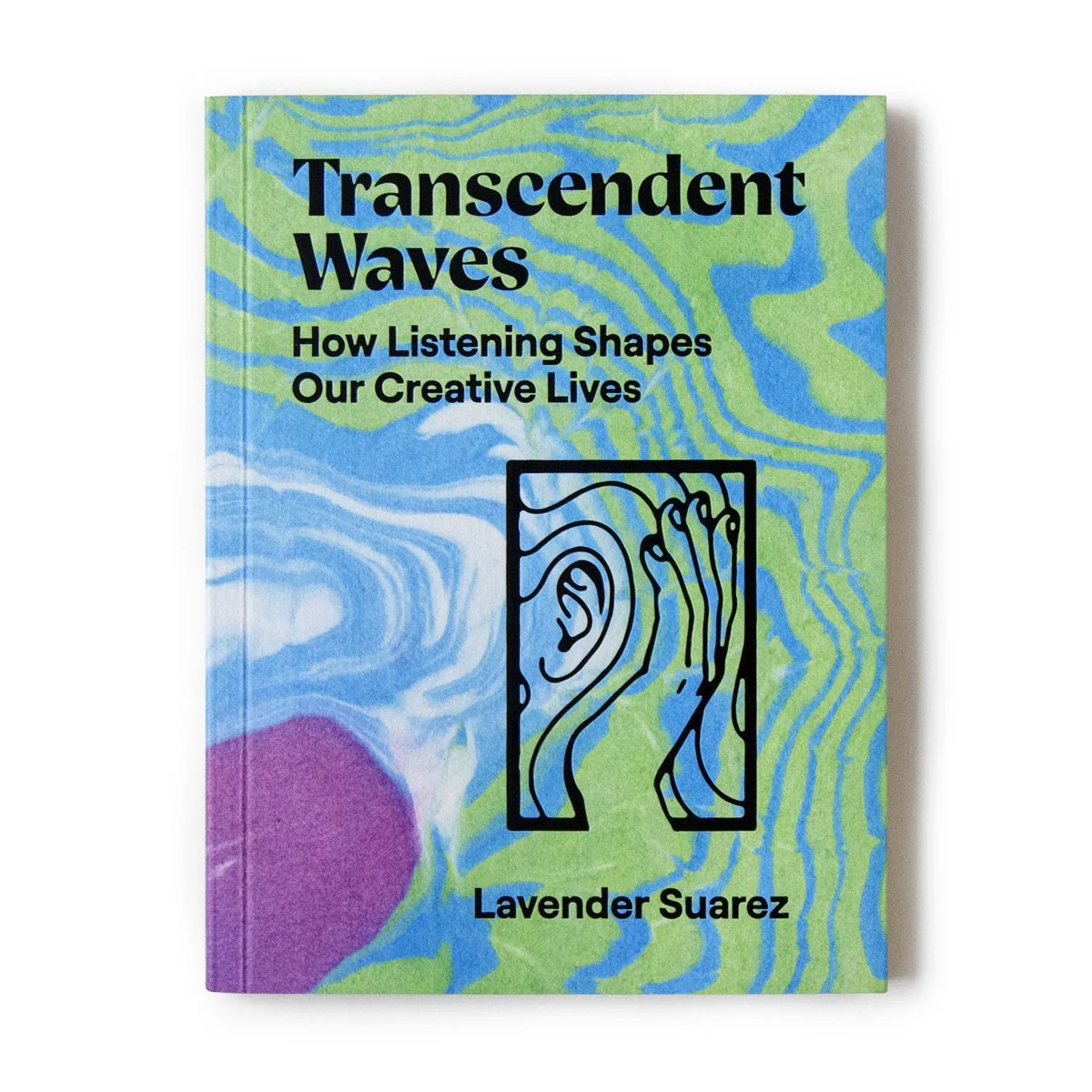
How can thoughtfully and intentionally listening to our world inspire our creative practices? What insights can we gain when we delve into the immersive world of sound, which permeates our every moment? In Transcendent Waves, sound healing practitioner, meditation teacher, and artist Lavender Suarez outlines how listening can unlock moments of creative spark, self-awareness, and mindfulness in a work that is equal parts how-to guide and contemplative artist’s workbook. Suarez's illustrated meditations combine the open-ended freedom of Yoko Ono’s Grapefruit with the profound psychological insights of Oliver Sacks to offer a modern take on the impact of listening in a world that gets louder every day. Featuring an introduction by Bibbe Hansen—artist, Warhol star, and daughter of Fluxus cofounder Al Hansen—Transcendent Waves compiles scientific evidence, anecdotes, and thoughtful prompts for readers to manifest a sense of wonderment and appreciation for the intricacies of listening and the new perspectives it can bring to our daily creative worlds.

-
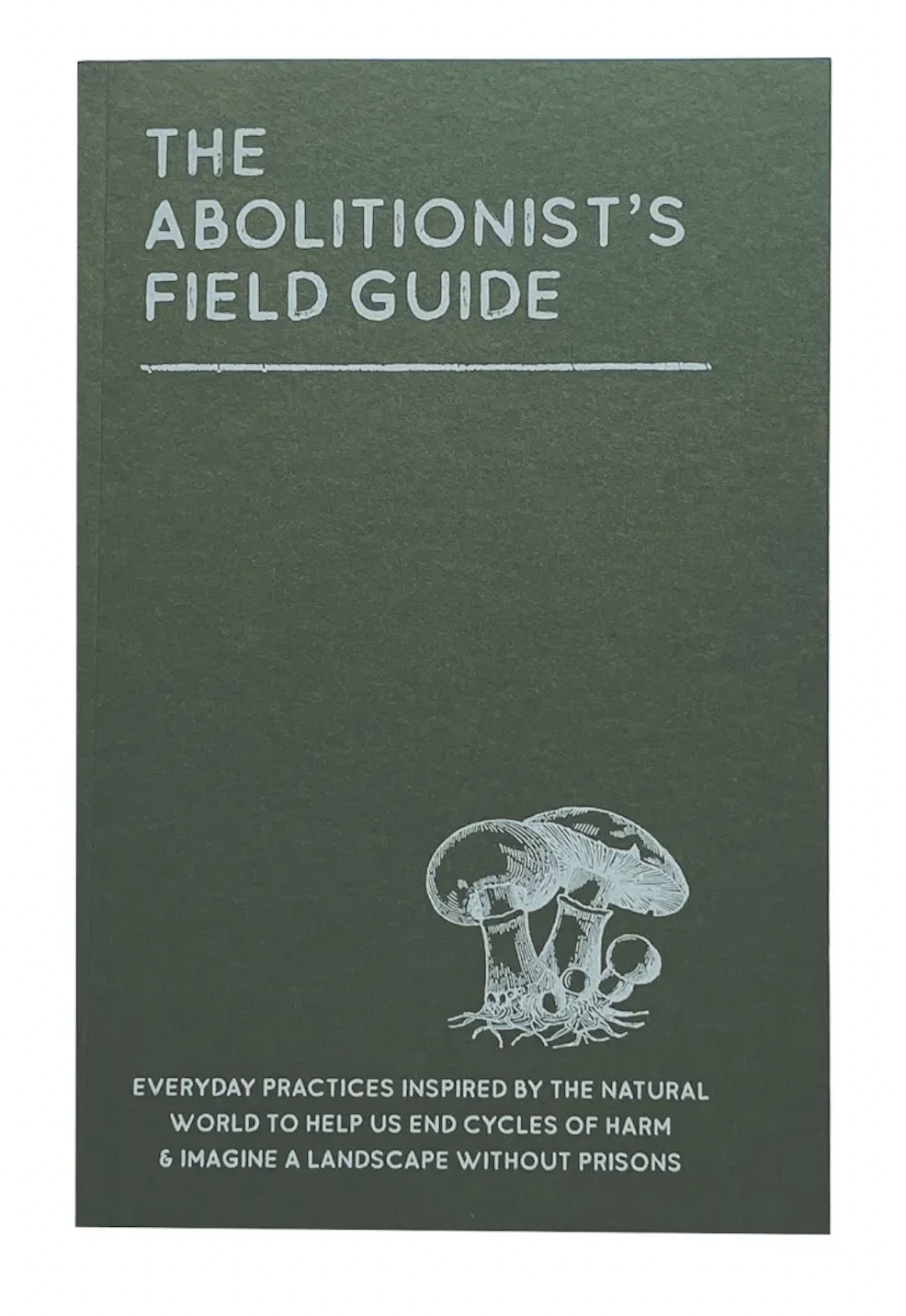
The Abolitionist’s Field Guide is an interactive workbook and reader that teaches abolitionist strategy through the lived experience of plants, their natural relationships, and the stories they tell. “Sometimes those teachings are direct perceptions, sometimes they are metaphors,” sumell writes. “Abolition, like growing a plant, requires daily attention and care.”

-
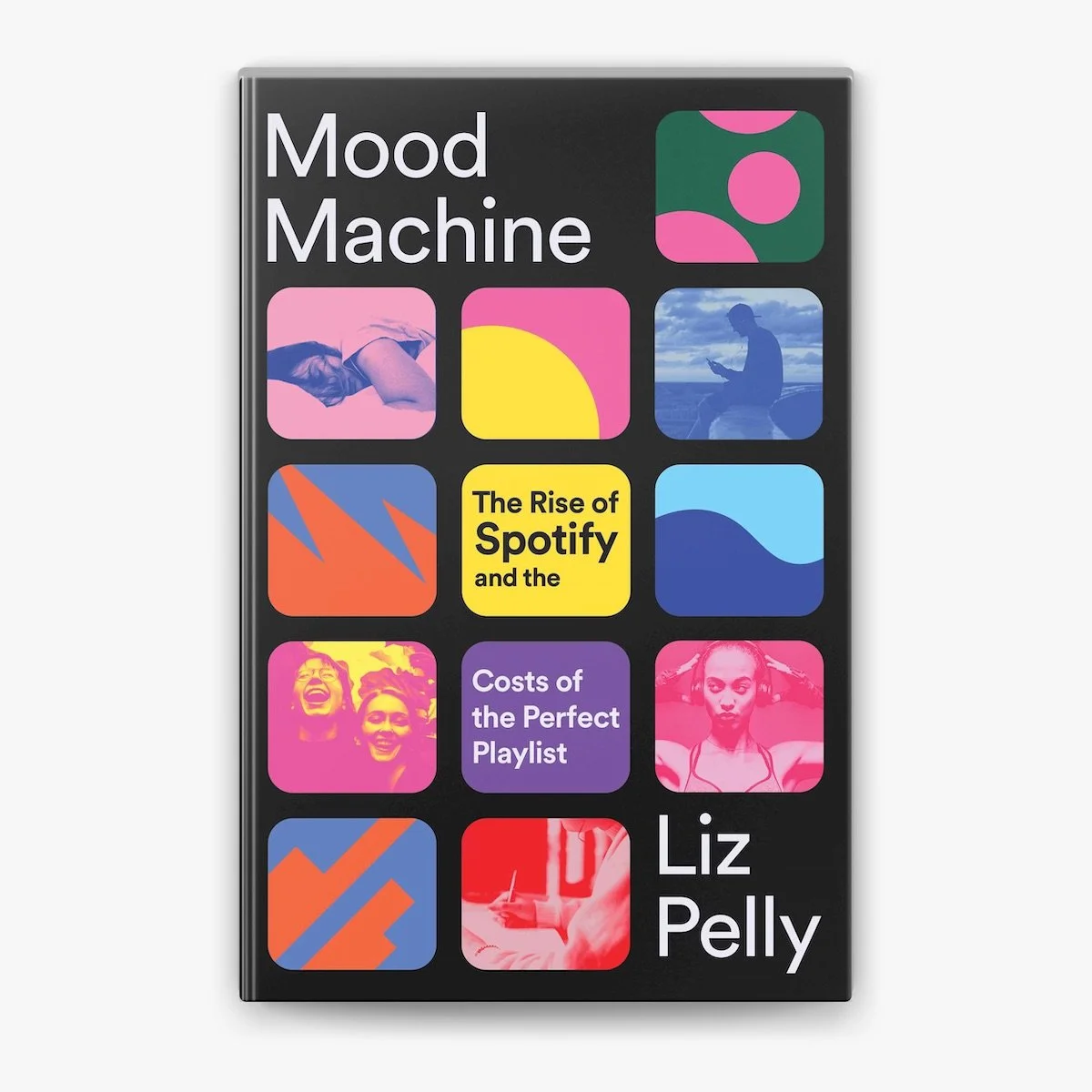
Building on her years of wide-ranging reporting on streaming, music journalist Liz Pelly details the consequences of the Spotify model by examining what the company calls its two-sided marketplace: the listeners who pay with their dollars and data, and the musicians who provide the material powering it all. The music business is notoriously opaque, but here Pelly lifts the veil on major stories like streaming services filling popular playlists with low-cost stock music and the rise of new payola-like practices.
For all of the inequities exacerbated by streaming, Pelly also finds hope in chronicling the artist-led fight for better models, pointing toward what must be done collectively to revalue music and create sustainable systems. A timely exploration of a company that has become synonymous with music, Mood Machine will change the way you think about and listen to music.
Published by Simon & Schuster
Purchase from Greenlight Bookstore